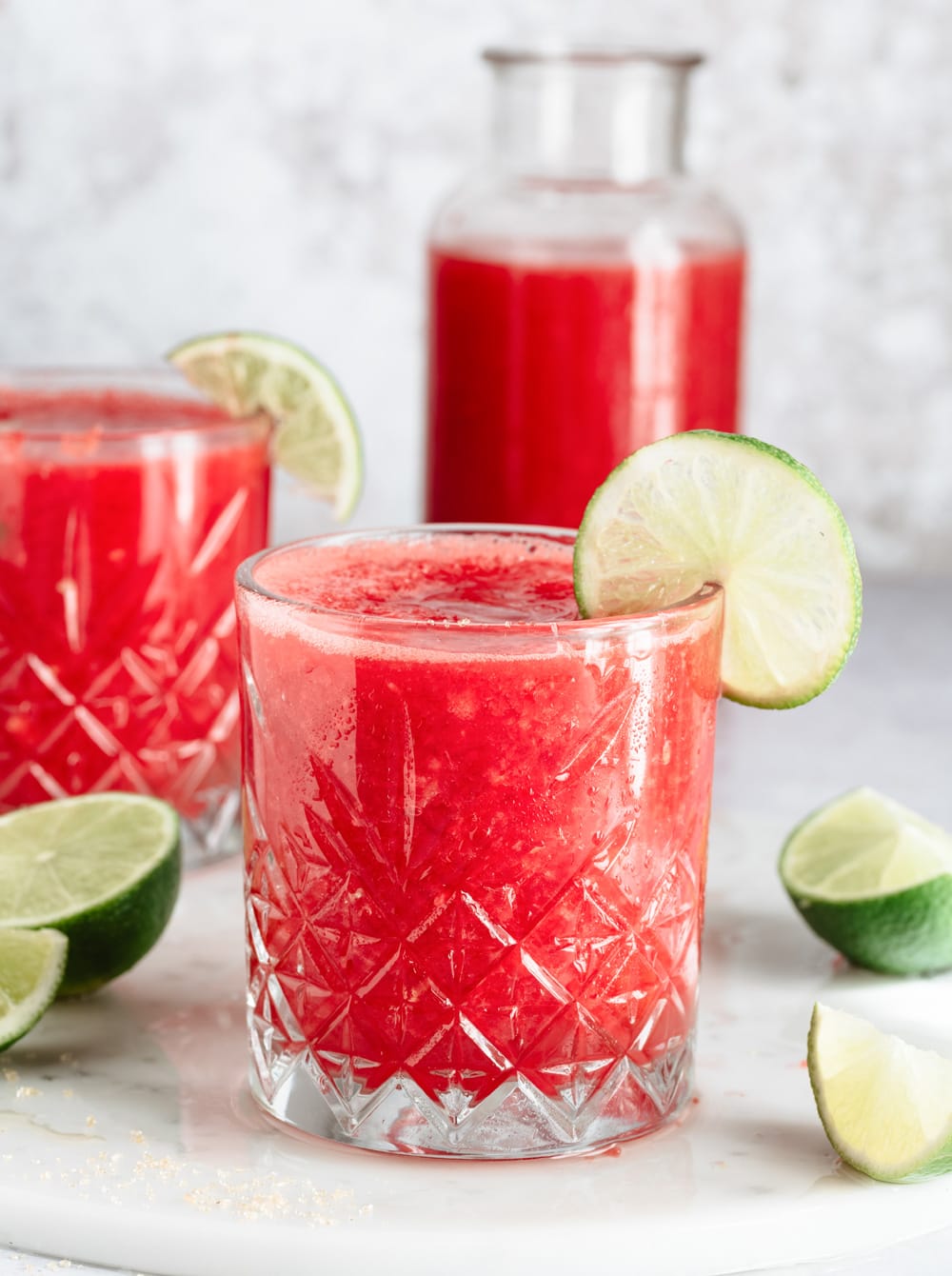
The scorching sun beats down, and all you crave is a taste of pure, unadulterated refreshment. What comes to mind? For many, it's the crisp, sweet coolness of watermelon, transformed into an invigorating homemade juice. While cafes and restaurants might tempt you with their fancy, pricey concoctions, the truth is, the very best easy watermelon juice recipe is incredibly simple and affordable to create right in your own kitchen. But the secret to that ultimate summer sip, that perfect watermelon juice: nature's gatorade for ultimate hydration, starts long before you even touch a blender: it begins with mastering the art of picking the perfect watermelon.
Making your own watermelon juice is not just about saving money; it's about control over ingredients, ensuring peak freshness, and experiencing a truly natural watermelon thirst quencher. This beloved fruit boasts an impressive water content (around 91-92%), making it an ideal choice for hydration. Packed with healthy antioxidants and natural sweetness, it's a guilt-free pleasure that delivers both flavor and vital nutrients. Forget artificial additives and excessive sugars; with the right watermelon, nature provides everything you need for a truly satisfying drink.
The Undeniable Appeal of Homemade Watermelon Juice
There's a reason watermelon juice has become a staple, from health-conscious menus to backyard barbecues. Its rise in popularity is easily understood: it's delicious, nutritious, and incredibly hydrating. Many of us have fond childhood memories of this vibrant pink drink, often introduced by a parent or grandparent who instinctively knew its power to cool and refresh on a hot day. The simple joy of a truly great watermelon thirst quencher is timeless.
Beyond its nostalgic charm, homemade watermelon juice offers significant advantages. Firstly, the cost savings are substantial. What a café might charge for a single glass can often buy you an entire watermelon, yielding multiple servings of fresh, vibrant juice. Secondly, you dictate what goes into your drink. While the simplest, most authentic recipe calls for just watermelon, you can choose to add a hint of lime, a sprig of mint, or even a dash of ginger to customize the flavor profile to your liking. No hidden sugars, no preservatives – just pure, natural goodness.
Watermelon is more than just a sweet treat; it’s a nutritional powerhouse. Its high water content naturally replenishes fluids, crucial for maintaining optimal bodily functions, especially during warmer months or after physical activity. It also contains electrolytes like potassium, which are vital for nerve and muscle function, and to balance body fluids. Plus, the fruit is a good source of Vitamin C, a powerful antioxidant that supports immune health, and lycopene, another antioxidant responsible for watermelon’s red color, known for its potential benefits for heart health and sun protection.
Decoding the Perfect Watermelon: More Than Just a Guessing Game
The cornerstone of an exceptional watermelon juice is, predictably, an exceptional watermelon. This isn't just luck; it's a skill you can learn. My own "watermelon whisperer" taught me that picking a ripe, sweet melon is a combination of sensory cues that, once mastered, will ensure you never bring home a bland or mushy dud again. Here’s how to become a pro:
- The Hollow Thump Test: This is the most famous trick and for good reason. Gently rap on the underside of the watermelon with the palm of your hand. A ripe, juicy melon should produce a deep, hollow sound, almost like a drum. If it sounds dull, flat, or like a very low thud, it might be overripe and mushy, or underripe and dense. A distinct hollow sound often indicates the right water content inside. Sometimes, you might even hear a subtle "swishing" sound, further confirming its juiciness.
- The Field Spot (Ground Spot): Look for a creamy yellow or orange-yellow spot on one side of the watermelon. This is where the melon rested on the ground as it ripened in the sun. The darker and creamier the yellow, the longer it was allowed to ripen on the vine, and generally, the sweeter it will be. Avoid melons with white or greenish field spots, as they were likely picked too early.
- Heavy for its Size: Lift the watermelon. It should feel significantly heavy for its size. This weight indicates a high water content, which is exactly what you want for a juicy, refreshing drink. A light watermelon might be dry or underripe.
- Look for Webbing or "Sugar Spots": You might notice rough, brown, web-like scarring on the surface of the melon. These are sometimes called "sugar spots" or "pollination scars." While not the prettiest, they indicate where bees pollinated the flower multiple times, suggesting a higher sugar content and a sweeter fruit. Don't be afraid of these markings; they're often a sign of deliciousness!
- Check the Stem: A dry, shriveled stem (or where the stem used to be) typically means the watermelon ripened fully on the vine before being picked. A green or fresh-looking stem can indicate it was harvested prematurely, resulting in less flavor.
- Uniform Shape: Opt for a symmetrical watermelon. Irregular bumps or odd shapes can sometimes suggest inconsistent watering or growth, which might lead to uneven ripening or flavor.
By combining these visual and auditory cues, you'll significantly increase your chances of selecting a beautifully ripe and sweet watermelon, perfect for making an exceptional watermelon thirst quencher.
Crafting Your Signature Watermelon Thirst Quencher
Once you’ve brought home your perfectly picked watermelon, the juicing process is incredibly straightforward. You'll need a good, sharp knife, a cutting board, and a blender.
- Preparation: Start by thoroughly washing the exterior of your watermelon. Cut the watermelon in half, then cut each half into manageable slices. From these slices, cut cubes.
- To Rind or Not to Rind? This is where you can truly personalize your juice. While many recipes discard the rind, the white portion closest to the flesh is not only edible but also packed with nutrients, including citrulline, an amino acid with various health benefits. My own family tradition, passed down through generations, involves including a bit of this white rind. Blending it in gives the juice a slightly thicker, almost smoothie-like consistency and adds a nutritional boost. If you prefer a thinner, purer juice, simply cut away the white rind and use only the red flesh. For those who want only the flesh, a melon baller works wonderfully for scooping out clean portions.
- Blend it Up: Place your watermelon cubes (with or without rind, as preferred) into a high-speed blender. Blend until smooth. You'll be amazed at how quickly it transforms into a vibrant, liquid delight.
- Taste and Adjust: Thanks to your expert watermelon picking, added sugar is usually unnecessary. However, if you like a little extra zing, a squeeze of fresh lime juice can brighten the flavors beautifully. A few mint leaves blended in can also add an extra layer of freshness.
- Strain (Optional): If you prefer a completely pulp-free juice, you can strain it through a fine-mesh sieve or cheesecloth. For a thicker, more wholesome drink, skip the straining and enjoy the natural fibers.
Storage and Enjoyment: Keep the Refreshment Flowing
One of the best aspects of homemade watermelon juice is its fantastic storability, allowing you to have a delicious watermelon thirst quencher on demand. Pour your freshly made juice into a large pitcher with a lid, or for ultimate convenience, portion it out into individual mason jars. This makes grabbing a single serving quick and easy throughout the week. The juice will keep well in the refrigerator for 3-4 days. Over time, the natural pulp might settle at the bottom, so simply give it a good shake or stir before serving.
Serve your homemade watermelon juice chilled, perhaps over ice, and garnished with a slice of lime or a sprig of fresh mint. It's the perfect accompaniment to a summer meal, a refreshing post-workout drink, or simply a delightful way to beat the heat. You can even freeze portions in ice cube trays to add to water or other beverages for a subtle watermelon flavor without dilution.
Conclusion
Mastering the art of selecting a ripe, sweet watermelon is the first, most crucial step towards creating the perfect homemade juice. With a keen eye for field spots, a careful ear for that hollow thud, and a feel for its weight, you'll consistently pick melons that transform into an unparalleled watermelon thirst quencher. This simple, natural beverage isn't just a cost-effective alternative to store-bought options; it's a healthy, hydrating, and incredibly delicious way to enjoy the essence of summer. So, next time you're at the market, put your newfound skills to the test, and prepare to elevate your hydration game with a glass of pure, homemade watermelon bliss.
