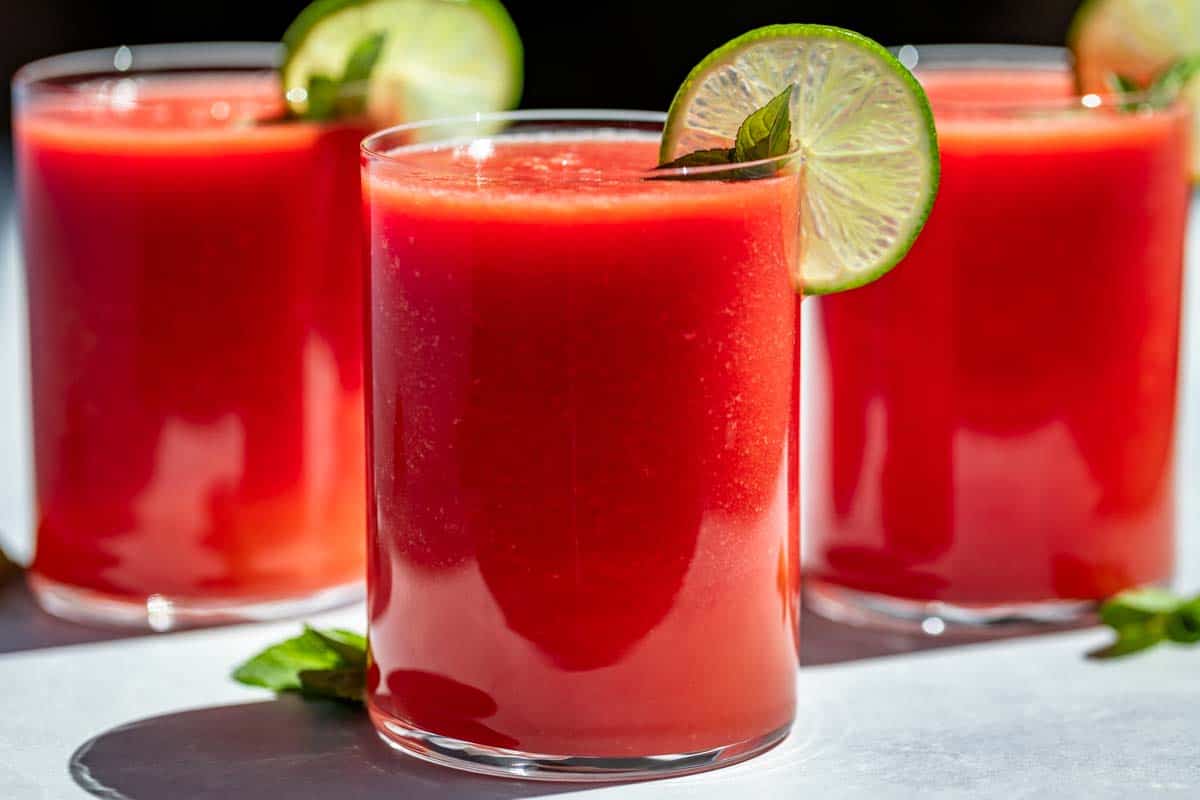
Watermelon Juice: Nature's Gatorade for Ultimate Hydration
As the sun climbs high and temperatures soar, our bodies crave refreshment. While sports drinks promise electrolyte replenishment, nature offers a truly superior alternative: watermelon juice. Far more than just a sweet treat, this vibrant concoction stands out as the ultimate
watermelon thirst quencher, a naturally potent hydrator that rivals and often surpasses commercial options like Gatorade in its pure, wholesome goodness. It's incredibly easy to make at home, packed with vital nutrients, and delivers an unparalleled burst of natural energy and revitalization.
Why Watermelon Juice is Nature's Ultimate Hydrator
The comparison to "Nature's Gatorade" isn't an exaggeration; it's a testament to watermelon's remarkable composition. While commercial sports drinks often rely on artificial flavors, colors, and added sugars, watermelon juice provides a naturally balanced blend of everything your body needs to rehydrate effectively after a sweaty workout, a long day in the sun, or simply to beat the summer heat.
First and foremost is its extraordinary water content. Watermelon is approximately 91-92% water, making it one of the most hydrating fruits available. This isn't just plain water; it's structured water infused with natural electrolytes. When you sweat, you lose essential minerals like potassium and magnesium. Watermelon naturally contains these crucial electrolytes, helping your body absorb and retain fluid more efficiently than plain water alone. This makes it a stellar
easy watermelon juice recipe: your summer thirst quencher, providing a holistic approach to rehydration.
Beyond hydration, watermelon juice is a powerhouse of beneficial nutrients:
*
Antioxidants: Rich in lycopene, the carotenoid responsible for its red color, watermelon boasts powerful antioxidant properties. Lycopene helps protect cells from damage caused by free radicals, supporting overall health and potentially reducing inflammation. It also contains Vitamin C and Beta-carotene, further boosting its antioxidant profile.
*
Amino Acids: Watermelon is a good source of L-citrulline, a non-essential amino acid that the body converts into L-arginine. L-arginine plays a vital role in nitric oxide production, which helps relax blood vessels, improve circulation, and can aid in muscle recovery post-exercise. This makes it particularly beneficial for athletes or anyone seeking faster recovery.
*
Natural Sugars: Unlike refined sugars in many commercial drinks that can lead to energy crashes, the natural fruit sugars in watermelon provide a steady and accessible source of energy. This natural sweetness is delicious without being overwhelming, and it's perfectly balanced by the fruit's high fiber content (if the rind is included) and water, preventing rapid blood sugar spikes.
*
Vitamins and Minerals: In addition to the aforementioned electrolytes, watermelon also provides essential vitamins like Vitamin A and B6, contributing to immune function and metabolic health.
With such a comprehensive nutritional profile, it's clear why this vibrant juice is a healthier, more natural choice for sustained energy and effective rehydration. It's low in calories, incredibly refreshing, and free from the synthetic additives often found in store-bought alternatives.
The Simplicity and Cost-Effectiveness of Homemade Watermelon Juice
One of the most appealing aspects of watermelon juice is how effortlessly it can be prepared at home. Many have noticed the surge in popularity of watermelon juice on cafe and restaurant menus, often accompanied by a surprisingly high price tag. What many don't realize is that crafting your own is not only incredibly simple but also significantly more economical.
My own introduction to this refreshing drink came from my mother, who made it a staple in our household during scorching summers. Her recipe, like many traditional methods, was wonderfully minimalist: just watermelon. I've adopted her philosophy, though I sometimes add a splash of fresh lime juice for a vibrant, zesty twist that elevates the natural sweetness without overpowering it. You genuinely don't need any added sugar, especially when using fresh, in-season watermelons; their natural sweetness is usually more than sufficient.
Making a batch is quick. Simply cut your chosen watermelon into chunks, blend until smooth, and strain if you prefer a pulp-free juice. You can then pour it into a large pitcher or, as I prefer, individual mason jars. This allows for convenient, single servings ready to grab and go. Since the pulp in fresh juice can settle, giving it a quick shake before drinking ensures an even consistency. This homemade approach makes it a truly accessible and delightful
watermelon thirst quencher for anyone.
Beyond the Flesh: Unlocking Nutrients in the Rind
While most people focus solely on the juicy red flesh of the watermelon, my mother taught me a secret that truly amplifies the nutritional value and unique texture of homemade watermelon juice: incorporating part of the rind. Yes, the white part of the watermelon rind is entirely edible and, surprisingly, packed with nutrients often overlooked!
The rind, particularly the white portion closest to the red flesh, is a rich source of L-citrulline, even more so than the red flesh itself. As mentioned, this amino acid is a precursor to L-arginine, beneficial for cardiovascular health and muscle recovery. Additionally, the rind contributes valuable fiber to your juice, which can aid in digestion and provide a more satiating experience.
Including the rind gives the juice a slightly thicker, almost smoothie-like consistency, which some find even more satisfying. To do this, simply cut your watermelon slices into cubes, making sure to include the white part of the rind, getting as close to the green outer skin as possible. Blend these pieces along with the red flesh. If you're new to this idea, you might start with a smaller proportion of rind and adjust to your preference. Of course, if you prefer a lighter, clearer juice, you can always use a knife or melon baller to scoop out just the red flesh. Embracing the rind is also a fantastic way to minimize food waste and maximize the nutritional yield from your fruit.
Mastering the Art of Watermelon Selection for the Perfect Juice
The secret to a truly spectacular watermelon juice lies in the quality of your watermelon. A ripe, sweet watermelon needs no enhancements, delivering a naturally delicious experience. My mother was legendary for her ability to pick the perfect melon – a true "watermelon whisperer" whose expertise was often sought out at the grocery store. I've adopted her tried-and-true methods, and now I share them with you to ensure your homemade juice is always superb. For a deeper dive, check out our guide on
Master Watermelon Picking for the Perfect Homemade Juice.
Here’s how to pick a perfect watermelon:
*
The Thump Test: This is the classic method. Give the underside of the watermelon a good rap with the palm of your hand. You're listening for a deep, hollow sound, almost like water sloshing inside. If you hear a dull thud, it's likely overripe or mushy. A higher, tinny sound might mean it's underripe.
*
The Field Spot: Look for a large, creamy yellow or orange-yellow spot on one side. This is called the "field spot" or "ground spot," where the watermelon rested on the ground and ripened in the sun. A white or light green spot indicates it was picked too early.
*
Heavy for its Size: A ripe watermelon should feel surprisingly heavy for its size. This weight indicates high water content, a key characteristic of a juicy, refreshing melon.
*
Dull Appearance: A shiny watermelon often means it's underripe. A ripe watermelon will typically have a duller, matte appearance.
*
Dry Stem: If the stem is still attached, it should be dry and curly. A green or fresh-looking stem could mean it was picked prematurely.
Once you’ve selected your perfect melon, preparing it for juice is simple. Wash the exterior thoroughly. Cut the watermelon in half, then into manageable slices or wedges. From there, you can cube the pieces, including the white rind if desired, and then blend. For a smoother juice, you may want to strain it through a fine-mesh sieve after blending, though many prefer to keep the pulp for added fiber.
In conclusion, watermelon juice offers a potent, natural solution for staying hydrated and nourished, far surpassing the benefits of many commercial sports drinks. It’s a delicious, easy-to-make, and incredibly effective
watermelon thirst quencher that supports your body with essential electrolytes, antioxidants, and vital amino acids. Next time you're feeling parched, skip the artificial alternatives and reach for nature's finest hydrator. Your body will thank you.